Safety is our North Star, mile by mile.
Durham brings together prepared drivers, maintained vehicles, documented procedures and connected technology to help protect students from pickup through drop-off.
Start the Conversation 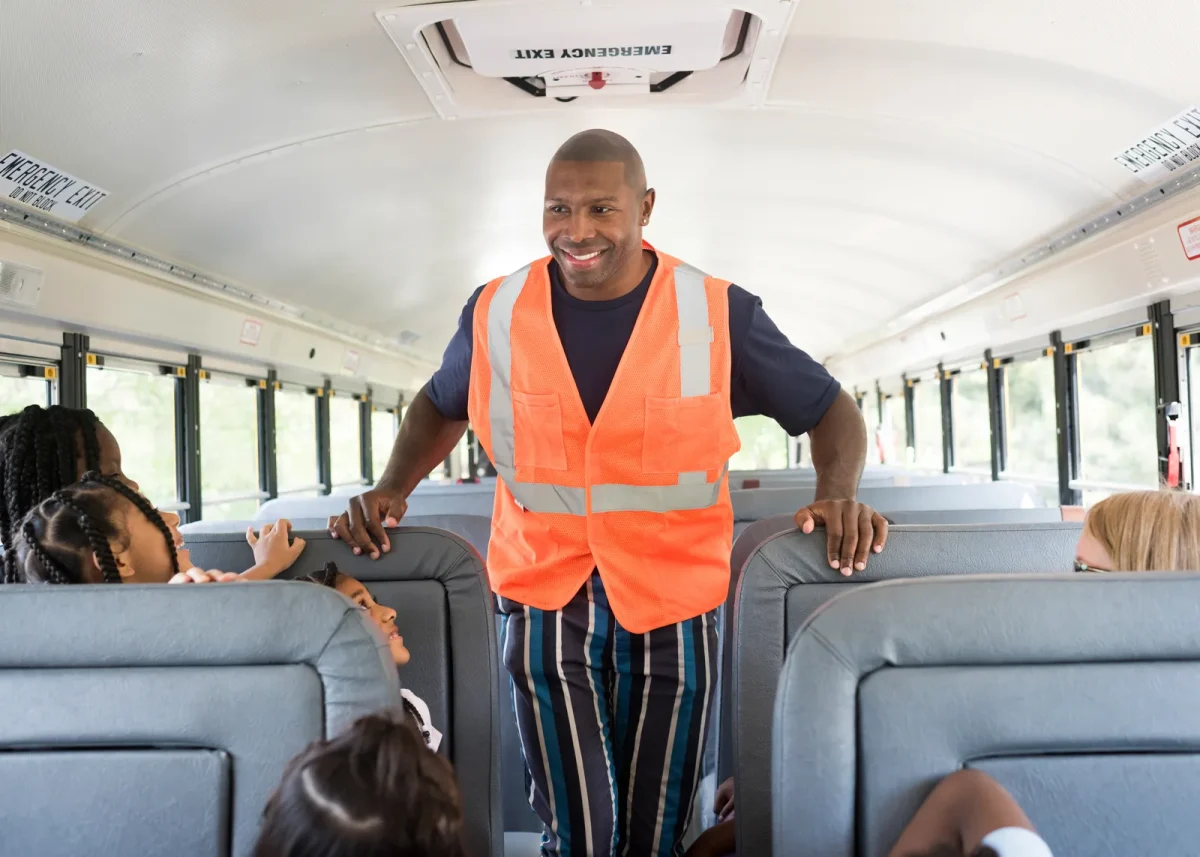
More than a priority — a proven system.
Safe student transportation depends on all parts of the operation working together. It begins with the people we hire and train, continues through vehicle inspection and routing, and extends to how we document, review and respond to safety events.
Durham takes a connected approach — combining clear standards, local accountability and resources from across the Summit School Services network to support safe, consistent service.
Prepared before the first route.
Drivers must be ready for the real demands of student transportation: changing road conditions, student behavior, tight schedules and unexpected situations.
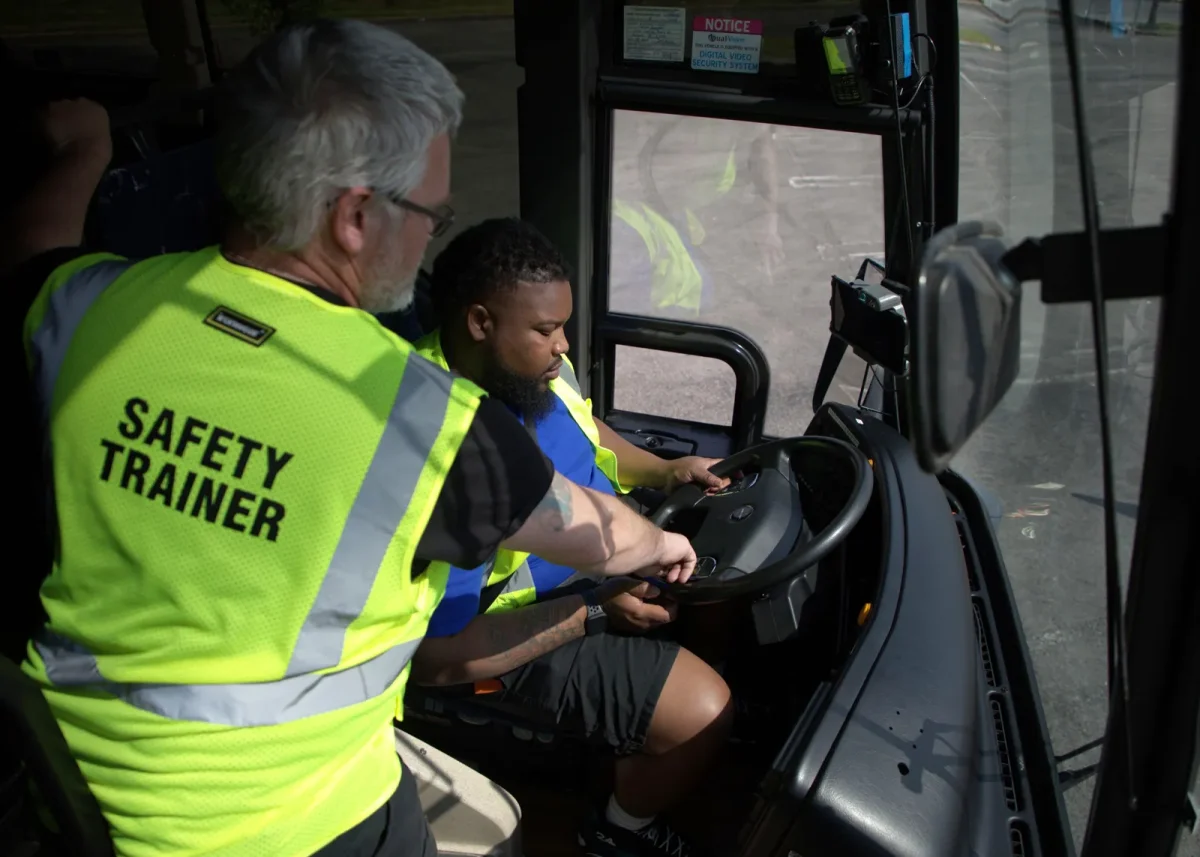
Before operating a route, Durham drivers must satisfy applicable licensing, health, background and drug and alcohol screening requirements. Training combines classroom instruction with behind-the-wheel experience and covers areas such as:
- Defensive driving and hazard awareness
- Vehicle inspections and safety procedures
- Student management and passenger safety
- Emergency and incident response
- Accessibility and specialized transportation
- Applicable federal, state and local requirements
Training continues after qualification. Coaching, safety meetings and performance insights help reinforce expectations and identify opportunities for improvement throughout a driver’s career.
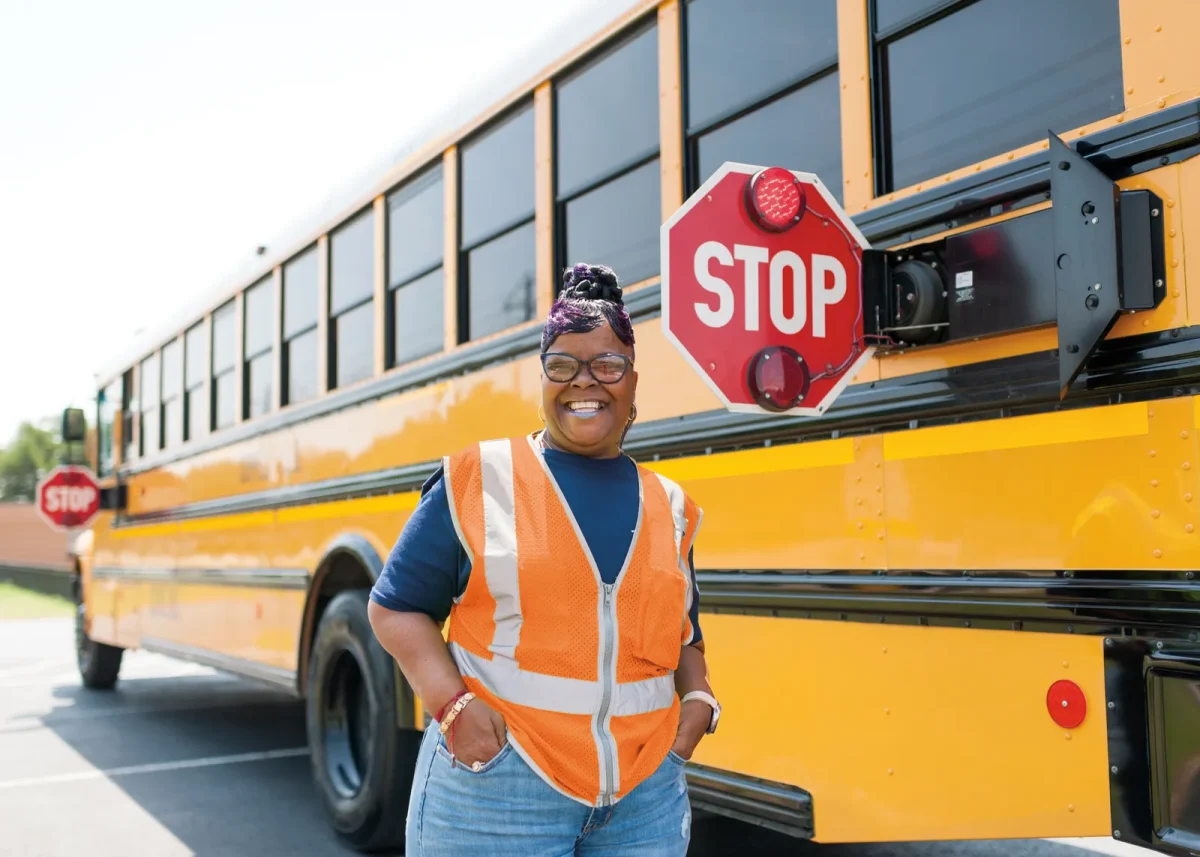
Supporting students throughout the ride.
Student safety requires attention before boarding, while the vehicle is moving and after students have exited.
Durham’s operating procedures support:
- Safe loading and unloading
- Student accountability and passenger management
- Communication about individual transportation requirements
- End-of-route child checks
- Clear incident and emergency procedures
At the end of a route, drivers follow a deliberate child-check process to confirm that every student has exited the vehicle, and electronic verification can also support that process depending on the vehicle, technology configuration, and district agreement — reflected today in Durham's policy requiring a physical walkthrough after each route, and Summit's platform, which includes electronic child-check capability.
For students with disabilities or specialized transportation needs, training and operating plans are tailored to district requirements and the support identified for each student.
Explore Special Education TransportationVehicles prepared for the road.
Safe routes start with a vehicle that is ready for service.
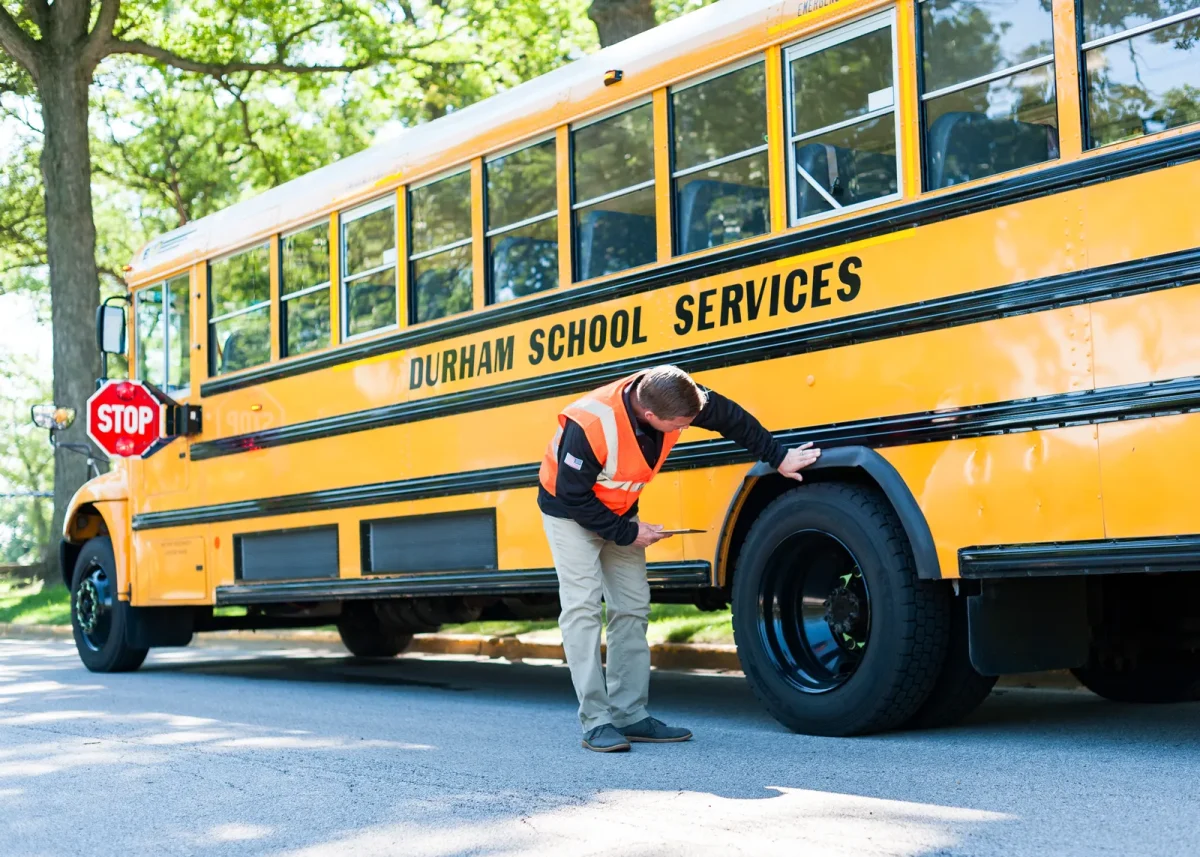
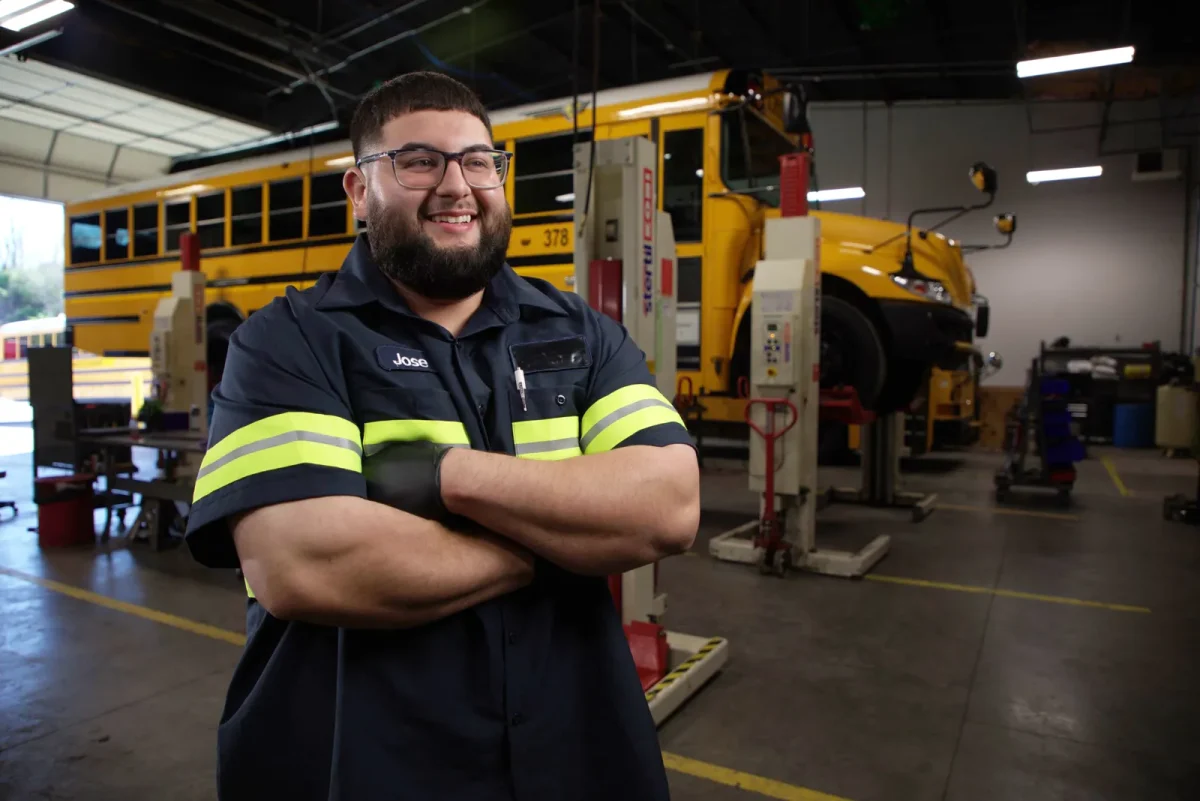
Drivers inspect their vehicles before operation and document items requiring attention. Trained maintenance teams use preventive maintenance schedules, diagnostic tools and inspection procedures to identify issues before they affect service.
Drivers also have the authority and responsibility to report a concern and remove a vehicle from service when they believe it may not be safe to operate. This approach helps protect students while supporting more consistent, reliable transportation for districts.
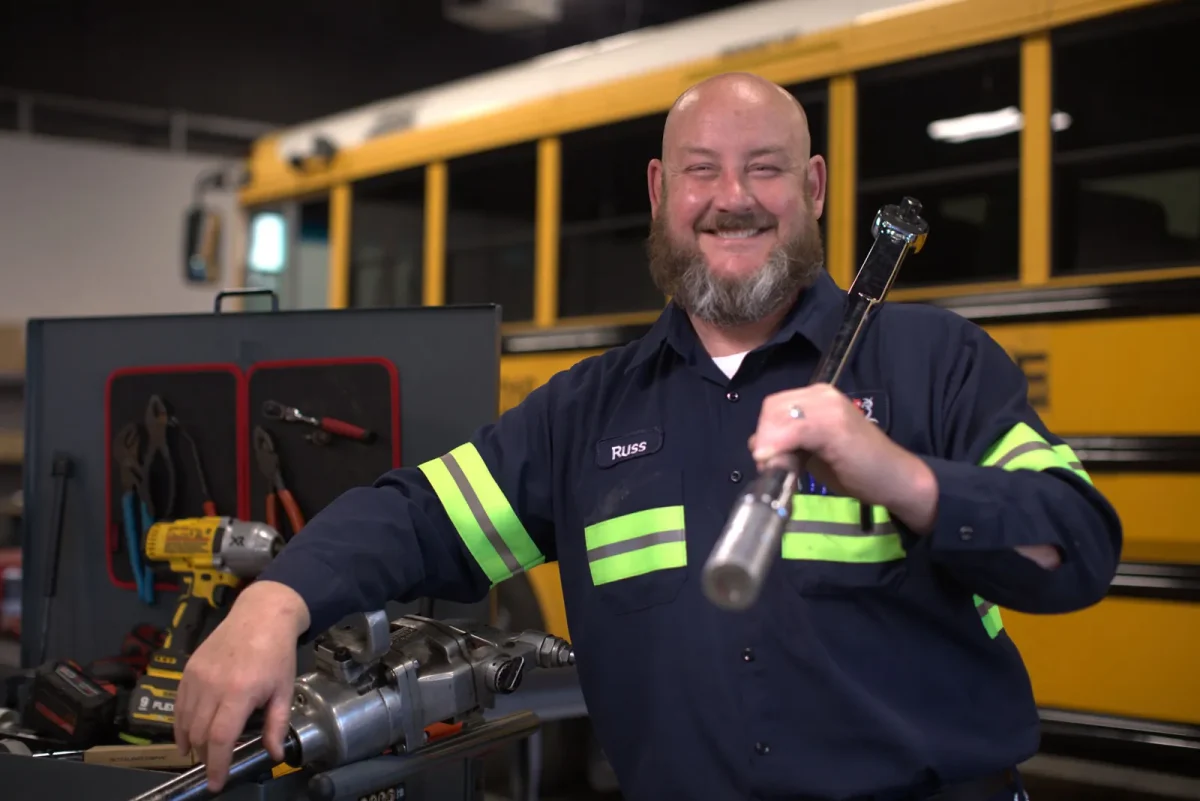
Better visibility supports better decisions.
Technology is most valuable when it helps people recognize concerns sooner and respond with the right information.
Through Catalyst, Summit School Services’ connected technology platform, Durham can bring together capabilities such as:

Fleet and route visibility
Driver-behavior insights and coaching
Vehicle diagnostics and maintenance alerts
Onboard video for incident documentation
Electronic inspections and child-check verification
Communication tools for districts and families
The specific tools utilized will be configured to fit your district's unique needs and often vary by district agreement, fleet and implementation status.
Information that leads to action.
Safety improves when concerns are documented, reviewed and addressed — not simply recorded.
Durham’s local teams follow established reporting and response procedures to:
- Review incidents and identify contributing factors
- Determine appropriate corrective action
- Reinforce training where needed
- Communicate relevant information to district partners
- Apply lessons across the operation
Emergency response procedures and defined responsibilities help local teams act quickly, while documented follow-up creates clearer accountability. Durham’s safety model includes incident review, analysis, corrective action and tested emergency procedures.
Build a transportation program grounded in safety and accountability.
Talk with our team about how Durham’s people, procedures, fleet and technology can support your district and community.